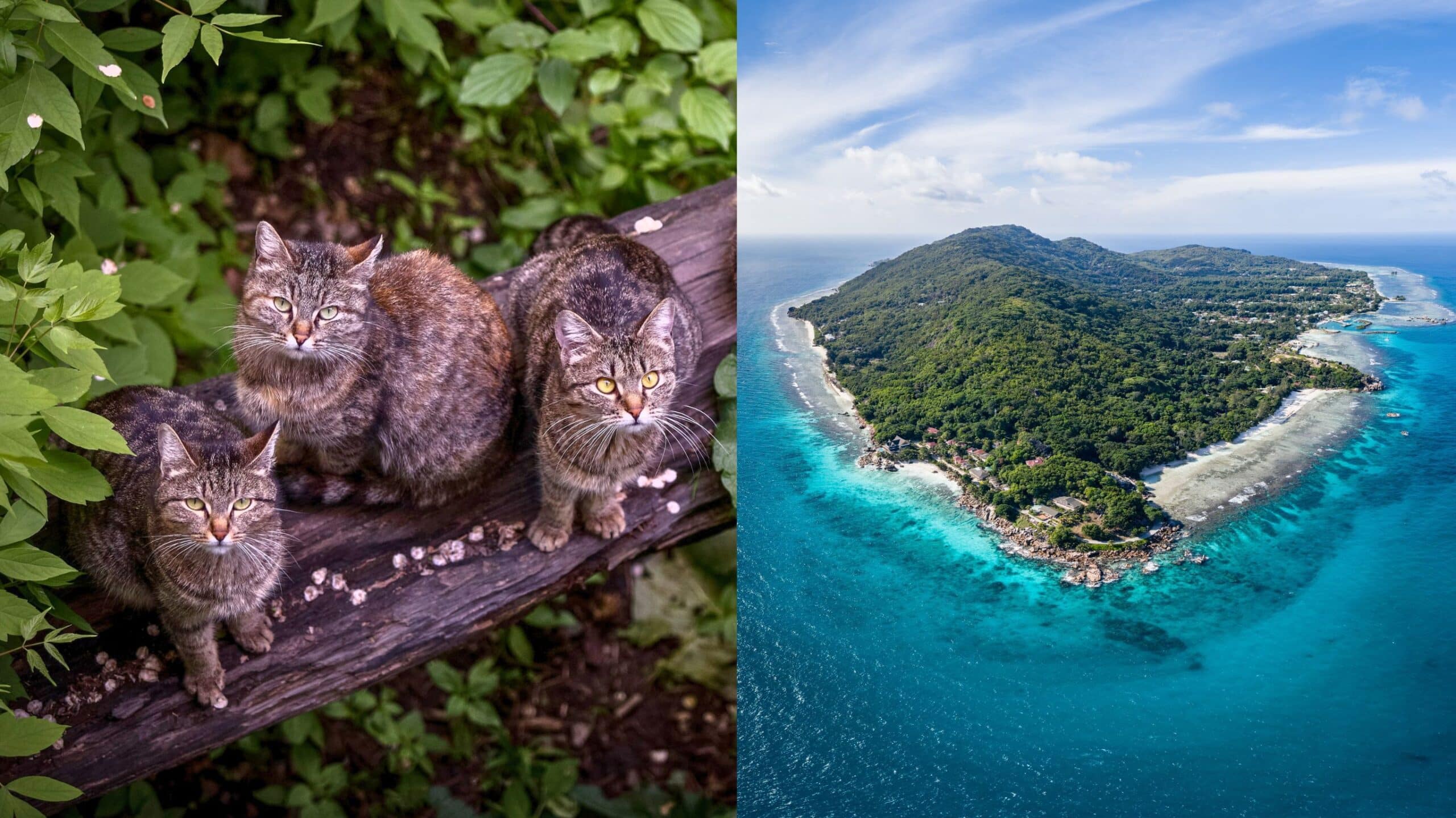
The jungle of La Digue hides its guilty secrets all too easily.
Beneath the lush green canopy of the beautiful Seychelles island called La Digue, cats live and breed largely unseen. Tiny kittens are born deep in the jungle, where the vegetation is so dense that finding them – let alone reaching them – is desperately difficult.
Their suffering is hidden. And until our veterinary team arrived earlier this year, no one understood just how enormous the need is.
We went to La Digue because we were told 200 animals were in need. We found hundreds more. There were cats in alleyways, behind restaurants, throughout the streets and in the jungle beyond.
Everywhere we looked, there were more animals who needed us.
We sterilized 209 cats and dogs, performed emergency surgeries, vaccinated animals and treated desperately sick patients. We made a substantial difference to the island’s dogs and far fewer now need our help.
But we cannot shrug our shoulders and ignore the suffering.
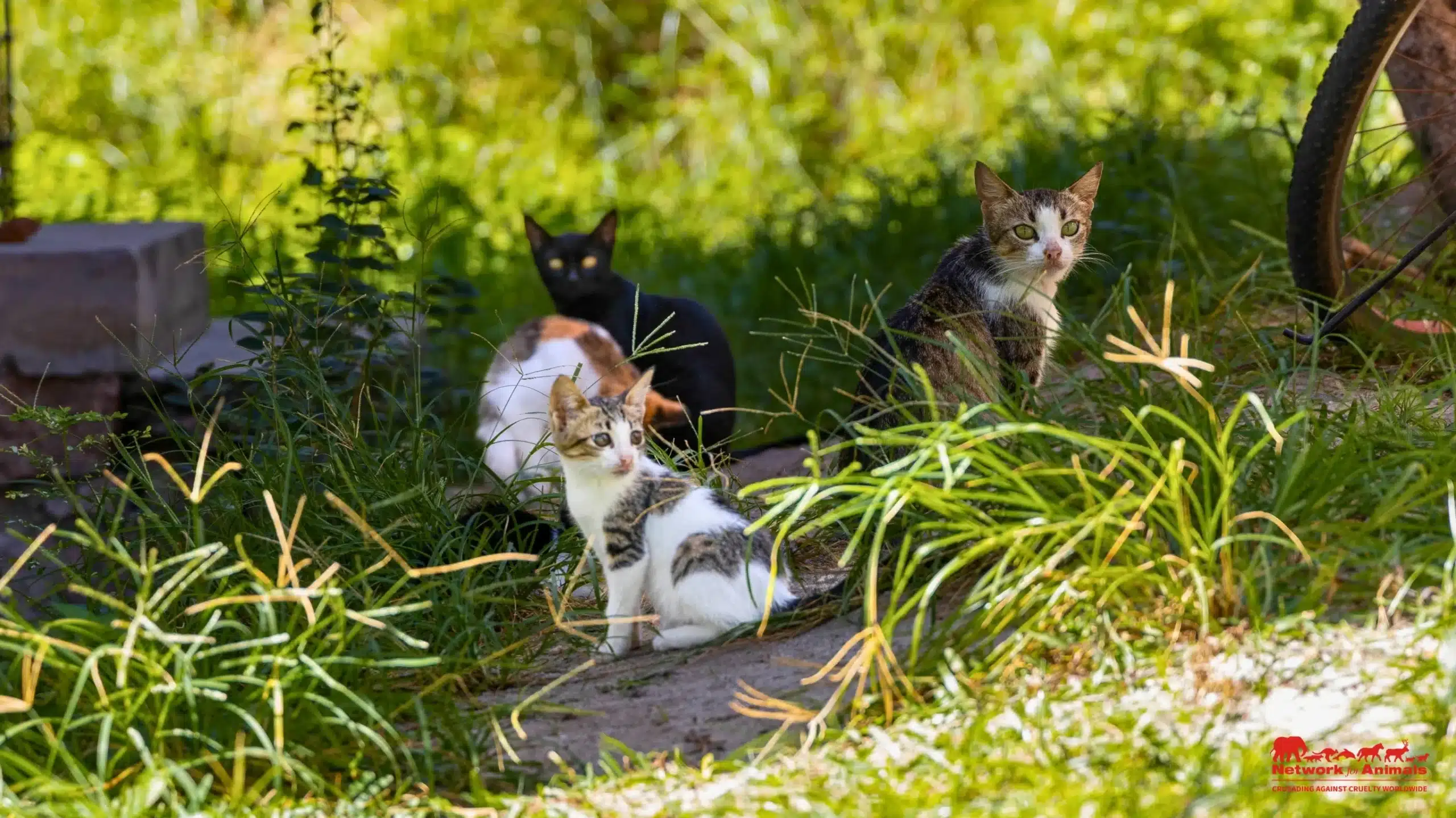 Cats and kittens live on remote beaches beyond the reach of the little help available. Source: NFA/Byron Seale
The government provides no help for these cats and there are no veterinarians on La Digue. Local volunteers are few and far between, and they cannot possibly meet a need this great. The people of La Digue are friendly and loving to animals. But many are desperately poor, and getting help for a sick cat can be beyond their means. The cats are on their own.
Before a sick cat can get to a vet, someone must arrange a ferry crossing – a journey of an hour and a half to another island.
Once there, they face another obstacle: there are very few vets, and their services are expensive.
For someone struggling to make ends meet, transport and treatment costs can be unaffordable. However much they want to help, kindness alone cannot pay for surgery or medicine.
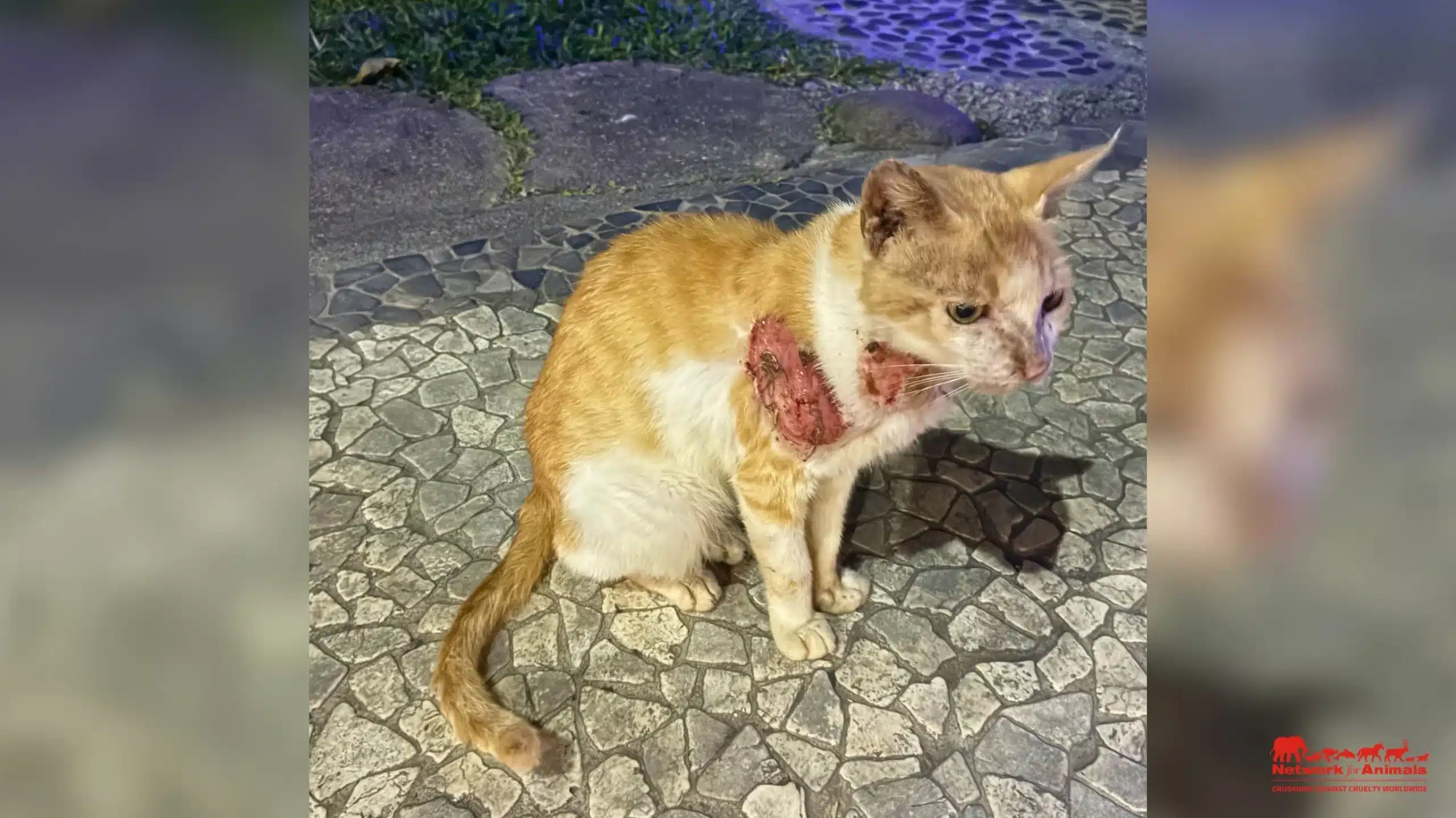 With no vet on La Digue, a sick cat must make a long ferry journey to another island for treatment. For residents living in poverty, the cost can put care out of reach. Source: NFA/Byron Seale
These cats desperately need help and we plan to provide the care they need. We are preparing to return to La Digue in October, intending to sterilize 400 animals – focusing overwhelmingly on cats.
Our team is securing veterinary registrations and import permits, ordering medicines, anesthetics, and surgical supplies, and preparing the equipment we need.
We are also building another 15 humane cat traps and two large drop traps to help us safely catch cats who are difficult to approach, and sourcing carriers to bring them to our temporary clinic.
But we still need the funds to get our team there and carry out this work.
Please help us bring veterinary care to cats who have almost nowhere else to turn.
Your donation will help provide:
- Veterinarians and veterinary support staff
- Anaesthetics, medicines and vaccines
- Surgical equipment and medical supplies
- Humane traps to safely catch hard-to-reach cats
- Carriers and transport to get animals to our clinic
Every cat we reach is an opportunity to relieve suffering. Every sterilization helps prevent future litters from being born into the same struggle for food, shelter and care.
Your generosity can make a lasting difference to the animals of La Digue.
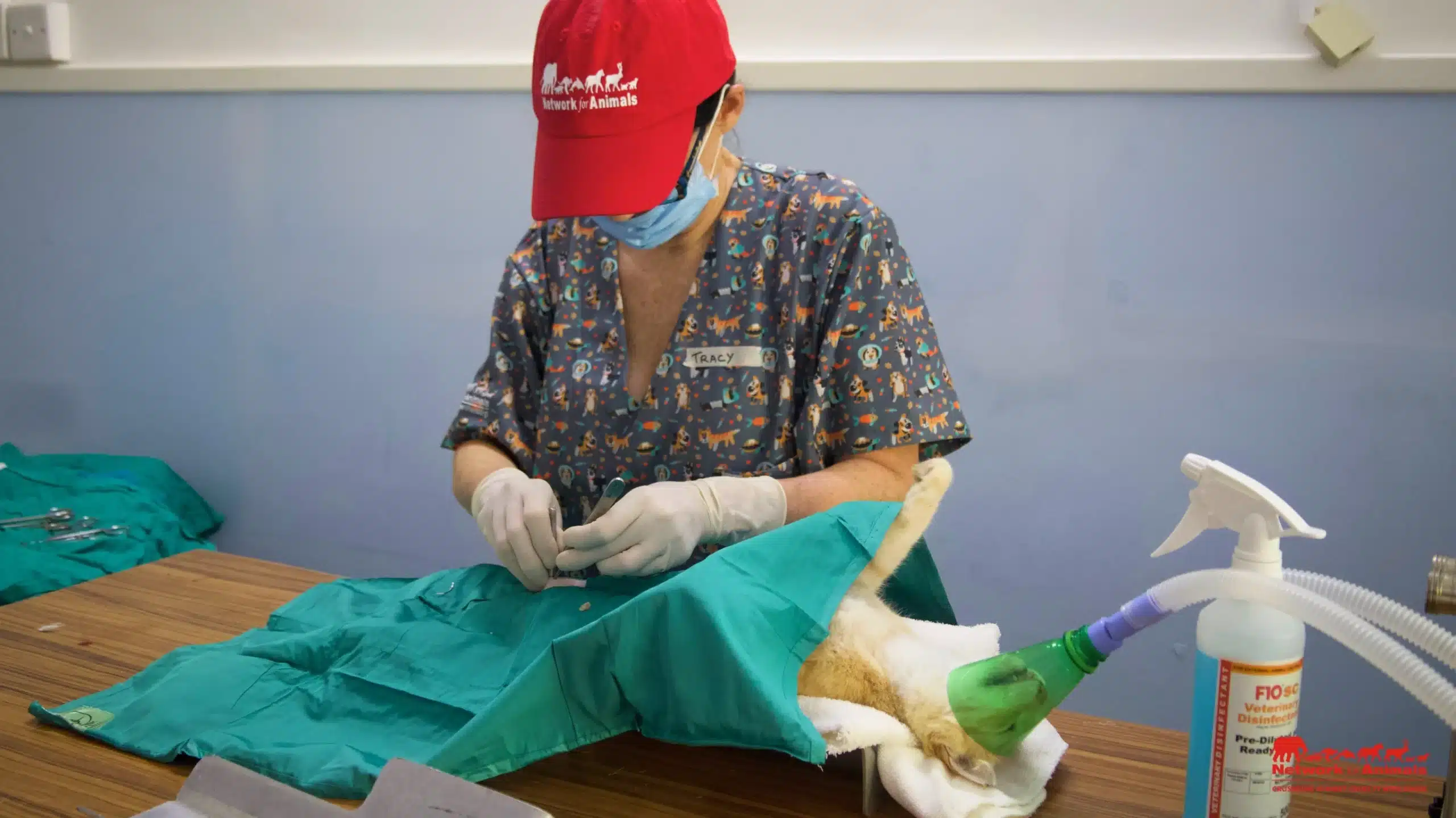
Our help will prevent future generations of cats from being born into suffering. Source: NFA/Byron Seale
A generous supporter has pledged to double your donations up to £5,000/$6,700 in total.
Helping the cats of La Digue by donating to their cause would be an act of extraordinary kindness towards animals whose suffering has gone unseen for far too long.
Please donate today to help us return to La Digue, reach its forgotten cats and give them the care they so desperately need. And remember, for the cats, this is their lucky day – a generous supporter has promised to match your gift, so the cats will get double the help.