
Article written by Sara Novak
Originally published by Discover Magazine, 14 March 2026
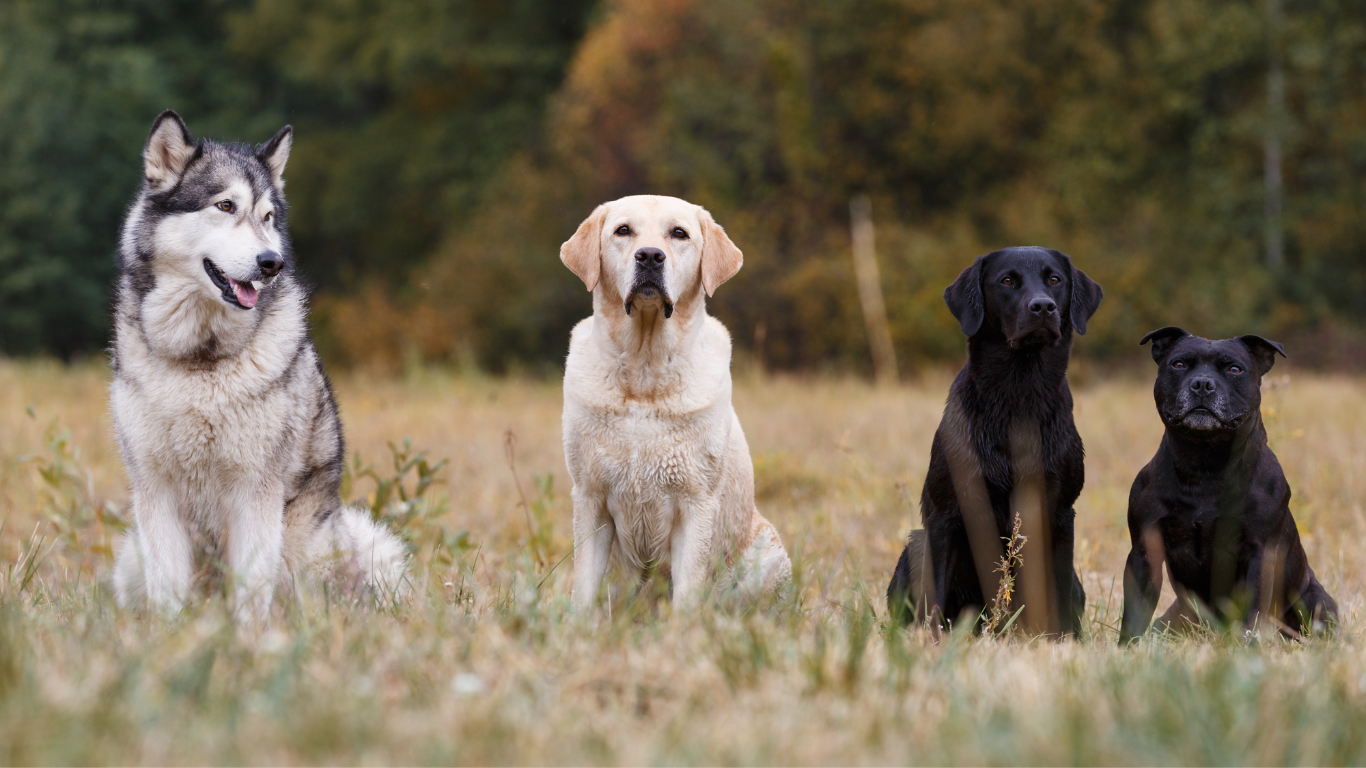
It’s hard to believe that all dogs came from wolves. But in fact, every breed from the pug to the chihuahua to the Great Dane started as a type of grey wolf that’s now extinct. It may have started around 30,000 years ago, at the end of the Pleistocene, when certain wolves cozied up to hunting-and-gathering humans and began down the road to becoming the diverse dogs we know today.
Dogs were among the first to start the domestication process when humans still hunted large animals, according to the Natural History Museum. Other animals that were one day domesticated as farm animals, like cows, pigs, and sheep, would come later, when farming and crops were a regular part of the human diet.
When Did Dogs Evolve?
Researchers have long assumed that diversity within canid species was relatively recent, dating back only a few hundred years, when dog breeds began to diversify. But new research published in the journal Science has shown that dogs began to diversify much earlier, around 11,000 years ago.
Researchers used a method called geometric morphometrics, which captures distinct shape variables in dog specimens to examine differences in dog morphology and show that dogs began to evolve away from wolves much earlier than previously thought.
Part of the drive toward diversity stemmed from the fact that they served many different purposes, including hunting, herding, security, and companionship. Some dogs were even sheared for their wool like sheep, according to a story in Hakai Magazine. Being workers likely led to differences in the way that cats, who were used for fewer roles, such as catching rodents and companionship, have not experienced.
Researchers built a large dataset to look at ancient canids, both wild and domesticated, from the Northern Hemisphere, lead study author Allowen Evin, a bioarchaeologist at the University of Montpellier in France, told Discover. The idea was to identify all dogs in the archeological record, putting the puzzle pieces together to one day identify the first dog.
“The general assumption has been that diversity of dogs was created over the last two centuries, but what we found was that during the Mesolithic and Neolithic, we already have a lot of diversity,” said Evin. She added that researchers tried to avoid using modern dogs because we often presume that they are similar to ancient dogs, when they might be very different.
What Were the First Known Dog Breeds?
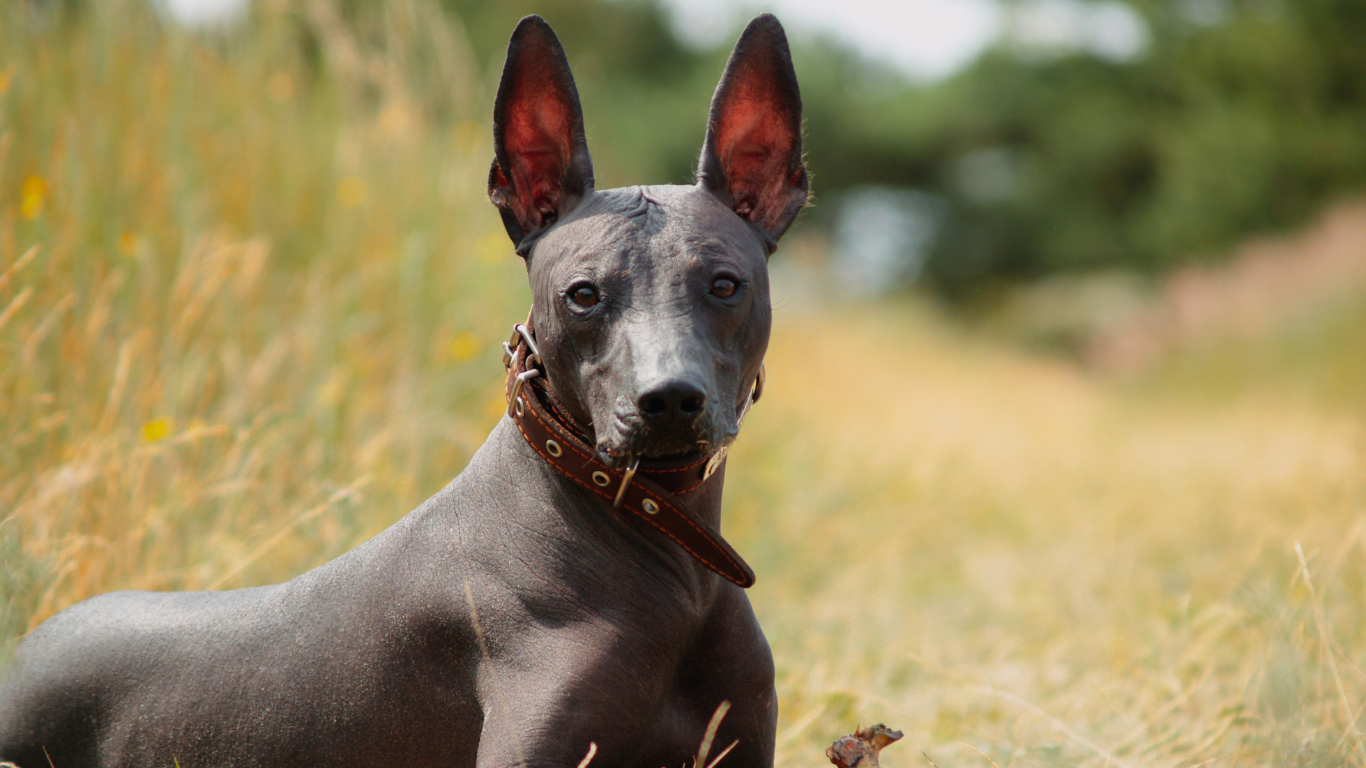
It’s also worth noting that the term “breed” is a very recent concept from only a few centuries ago, and it’s a human construct, Evin said. Breeds have names and descriptions, which is something that we don’t have for ancient dogs. It’s more accurate to use the term “morphology” when referring to ancient dogs.
It’s hard to determine what the earliest known dog looked like because researchers only have the skull, and from that, it’s difficult to infer its size, color, behavior, and other factors that would explain its morphology.