Article written by Debashine Thangevelo
Originally published by iol.co.za, 2 July 2026
The mistreatment of wildlife within the travel industry remains a global point of contention. As holidaymakers increasingly embrace ethical travel practices, the urgent demand to abolish animal exploitation is intensifying, leading to significant breakthroughs in several regions.
A notable instance is Egypt’s recent intervention, which restricts camel and horse transport specifically within the vicinity of the Pyramids of Giza, rather than implementing a universal ban across all heritage locations.
These regulatory steps form a component of wider-reaching strategies aimed at strengthening safety procedures and preserving the global image of the Egyptian travel market.
In a recent Facebook post, “El-Shai” revealed: “Cruelty-free tourism – or ethical travel – focuses on respecting wildlife habitats, supporting genuine sanctuaries, and avoiding attractions that exploit animals. It ensures that the ecosystems, local communities, and animals you encounter are treated with compassion and allowed to thrive naturally without interference.”
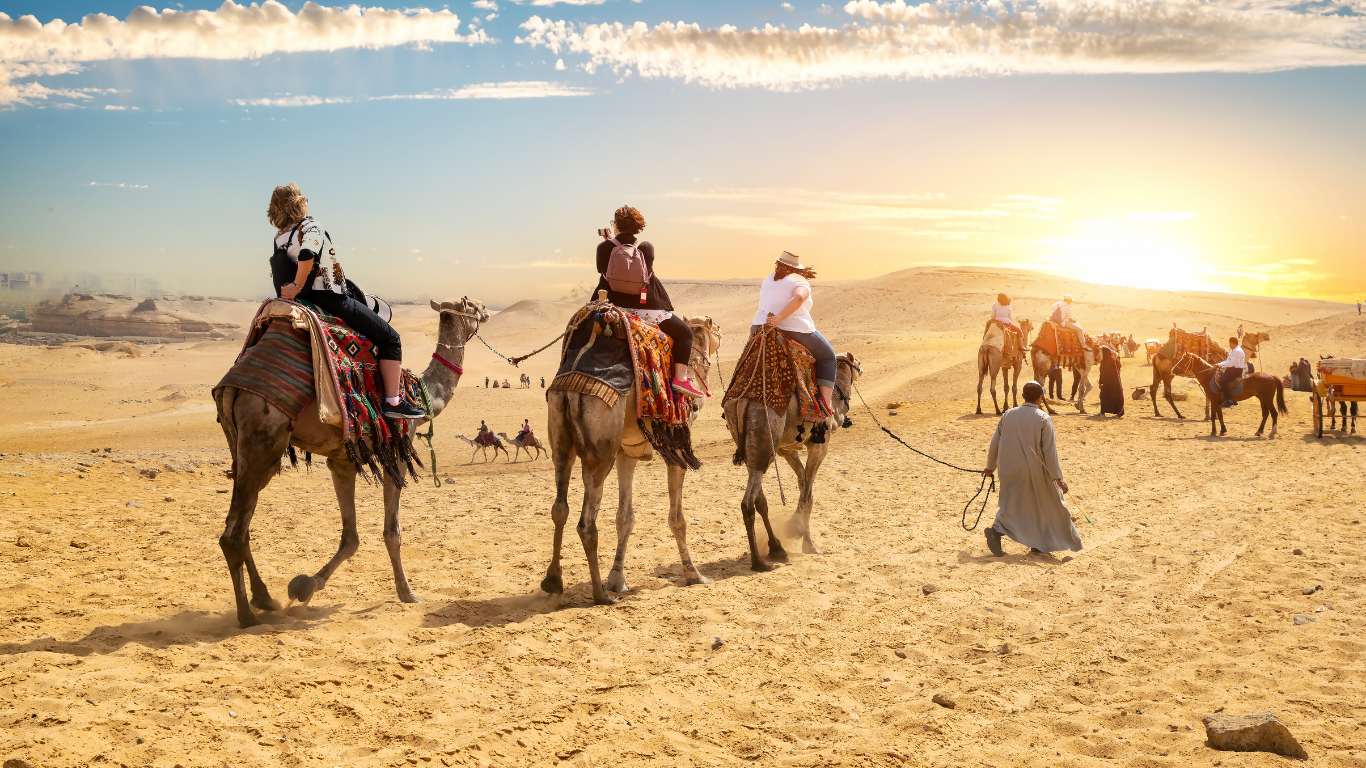
An Instagram post by “African Folder” stated: “Egypt has officially banned camel and horse rides around the Pyramids of Giza as part of a new effort to improve animal welfare.
“The government is replacing the rides with electric buses and carts, aiming to protect working animals from overwork, harsh conditions and mistreatment while giving visitors a more sustainable way to explore one of the world’s most famous archaeological sites.”
Meanwhile, @ignite_53 posted: “Egypt’s pyramids are going electric. 🐪⚡
“Egypt has begun phasing out camel and horse rides at the Pyramids of Giza, replacing them with electric buses and shuttle carts as part of a major effort to improve animal welfare and modernise the historic site. The move aims to reduce the overwork and harsh conditions many working animals have faced while giving visitors a more sustainable way to explore the iconic landmark.
“The transition marks a major shift in how tourists experience the pyramids, balancing heritage, tourism, and better protection for animals. 🌍🐪”
Navigating transportation options for your excursion to the Egyptian pyramids
- Utilising ride-hailing services like Uber or inDrive is highly recommended as the most seamless method for reaching the Sphinx Gate or the primary entrance. These platforms provide direct transport to the ticket counters, effectively shielding visitors from persistent local haggling.
- For a more budget-friendly alternative, commuters can utilise Cairo Metro Line 2 to reach El-Giza Station. Travellers can then transfer to a public bus, minibus, or local taxi to reach the plateau, where they will be dropped off approximately 500 meters from the primary gate.
- Guided bus excursions are additionally provided for interested travellers.
- If you prefer a more high-end experience, you can arrange for a private drop-off through your travel provider.
Practical tips on how to become a more responsible traveller
- Opt for eco-conscious safari companies and wildlife reserves that limit off-track travel and focus on the well-being of the creatures rather than just staged photography.
- Avoid any establishments that permit visitors to touch, carry, or mount wild animals, such as elephant trekking or tiger cub encounters. Such activities commonly rely on abusive training techniques and psychological trauma.
- Abstain from purchasing any items manufactured using parts from wildlife, including fur, ivory, shells, or tortoise shell. Supporting the trade of these materials directly fuels the exploitation and decline of endangered species.
- Ensure your travel arrangements are made through dedicated agencies that implement rigorous animal welfare protocols.