
Article written by Rebecca Roberts, PhD
Originally published by The Scientist, 18 March 2026
When his beloved dog was given months to live, an Australian man harnessed the power of machine learning and mRNA technology to develop a cure.
Losing a beloved pet is difficult for anyone to accept, but an Australian tech entrepreneur refused to give up when his five-year-old rescue pup Rosie was diagnosed with terminal cancer. Turning to ChatGPT and AlphaFold, Paul Conyngham worked with scientists to create a personalized mRNA vaccine. “We took her tumor, we sequenced the DNA, we converted it from tissue to data, and then we used that to search for the problem in her DNA, and then developed a cure based on that,” Rosie’s owner Paul Conyngham said in an interview with the Today Show Australia. “ChatGPT assisted throughout the entire process.”
“What’s engaging about this, what’s so interesting, is that [Conyngham] used ChatGPT to identify the sequence and generate the RNA vaccine, then he ultimately was able to generate it pretty quickly and inject it,” said Steven Hsesheng Lin, a physician-scientist and radiation oncologist at the MD Anderson Cancer Center who was not involved in the project. “So, from concept to translation to the actual patient—in this case, an animal patient—is astounding.”
Machine Learning Steps in After Standard-of-Care Treatments Fail
Rosie had a tennis ball-sized mast cell tumor (MCT) on her leg, and her mobility was declining. The most common type of skin cancer in dogs, MCTs secrete histamines and cause a range of health issues.1 Rosie had already been treated with surgery and chemotherapy, but to no avail—veterinarians gave her just months to live.
Conyngham, a data analyst with experience in machine learning but no background in biology, asked ChatGPT to help him find a cure. The first step was to sequence the DNA of Rosie’s tumor, for which Conyngham paid several thousand Australian dollars out of his own pocket. He worked with Martin Smith, a computational biologist at the University of New South Wales (UNSW) Ramaciotti Centre for Genomics, who was skeptical of the strange request at first because of the computational burden of dealing with the genome sequencing. Conyngham assured him he would have no problem analyzing the data, using ChatGPT to identify the neoantigens present on the tumor, and Google DeepMind’s AlphaFold to predict the protein structures.
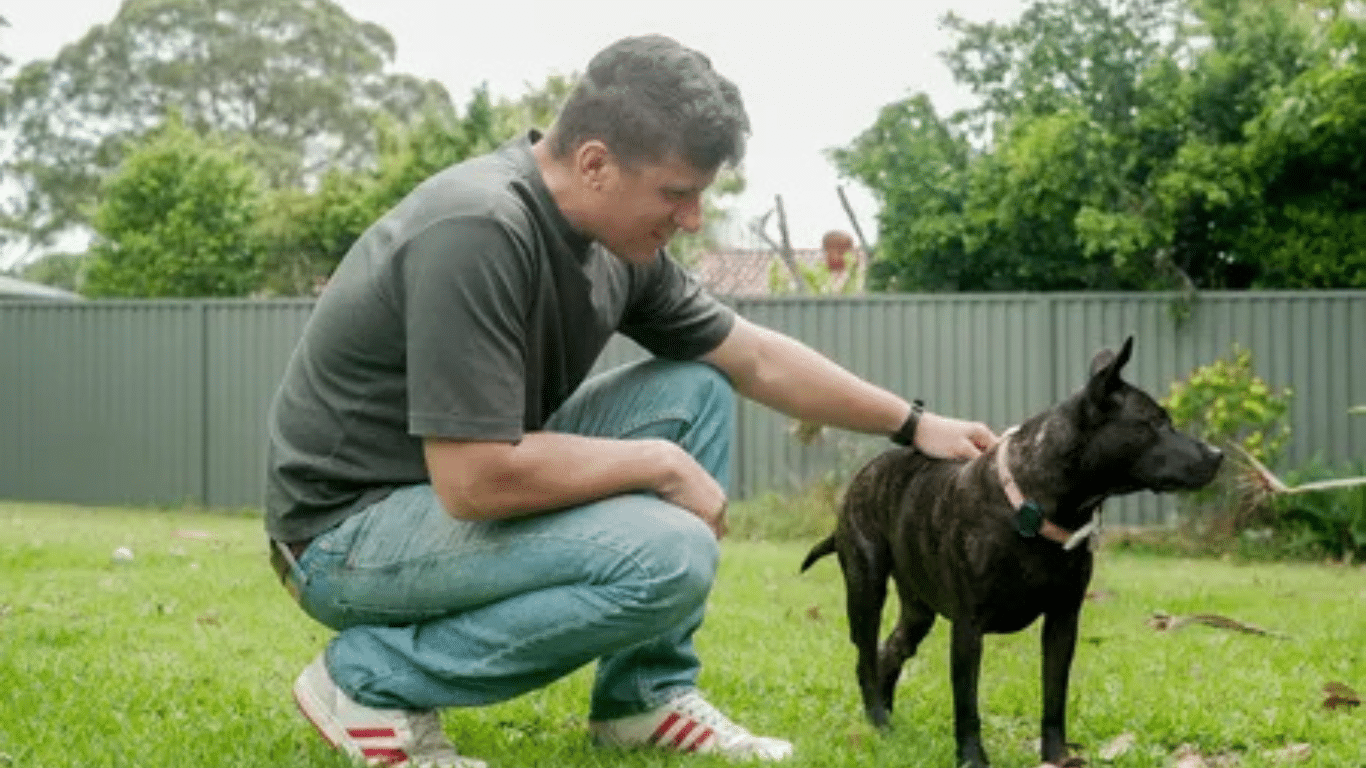 Paul Conyngham worked with scientists from the University of New South Wales to sequence Rosie’s genome and generate a personalized mRNA vaccine. Credit: Jake Willis, UNSW
After selecting which parts of the protein could be used to produce a personalized mRNA vaccine, he turned to Pall Thordarson, an expert in bio-mimetic chemistry at the UNSW RNA Institute, and asked him to produce the mRNA for Rosie’s neoantigens from a DNA template. “That’s the really special part of the story, is that part was done by [Paul], someone had no background in biology or medicine or chemistry,” Thordarson remarked. “He put together data [from] the genome sequencing work that Martin did with him, and then from that he uses AI to identify the neoantigens.”
Thordarson’s team has produced hundreds of different mRNA molecules for therapeutic purposes, but had never worked on a cancer vaccine, so they jumped at the opportunity to collaborate. Despite thinking it was a cool idea, he said he harboured some skepticism and assumed that by the time a vaccine could be produced, it would be too late for Rosie. But with Conyngham’s determination and leadership, they were able to turn things around quickly. “There was a good level of communication between all of us, Martin, Paul and I, over a couple of months before he’d finished the design,” Thordarson explained. “And then as soon as we had the design, we just plugged it into our workflow… We amplified it, and then we made mRNA from that, and we put the mRNA into [lipid nanoparticles] and got it ready for formulation.”
Within two months, Thordarson and his colleagues produced the vaccine while Conyngham worked on the lengthy ethics application to have it administered by Rosie’s veterinarian at the University of Queensland. Conyngham said the change was rapid and remarkable: Within a month, Rosie went from limited mobility to jumping over a fence to chase a rabbit.
Combination Therapy Shrinks Tumors, But It Isn’t a Cure
Because the personalized mRNA vaccine was administered in combination with an immune checkpoint inhibitor, Thordarson said it is difficult to disentangle which of the treatments had the greatest effect. And while it drastically shrank Rosie’s biggest tumors, the vaccine wasn’t a cure. “I think it’s added considerable lifespan and healthspan to Rosie,” Conyngham remarked. He and the team are currently working on booster shots for Rosie that will tackle resistance mutations in her remaining tumors. Since the goal was to find a personalized treatment for Rosie rather than a marketable product, Thordarson said they didn’t consider if the neoantigens they were targeting were unique or common in dogs with MCT. Currently, there are several mRNA vaccines approved in dogs and cats to prevent infectious diseases like rabies, while personalized cancer vaccines for animals are more experimental.
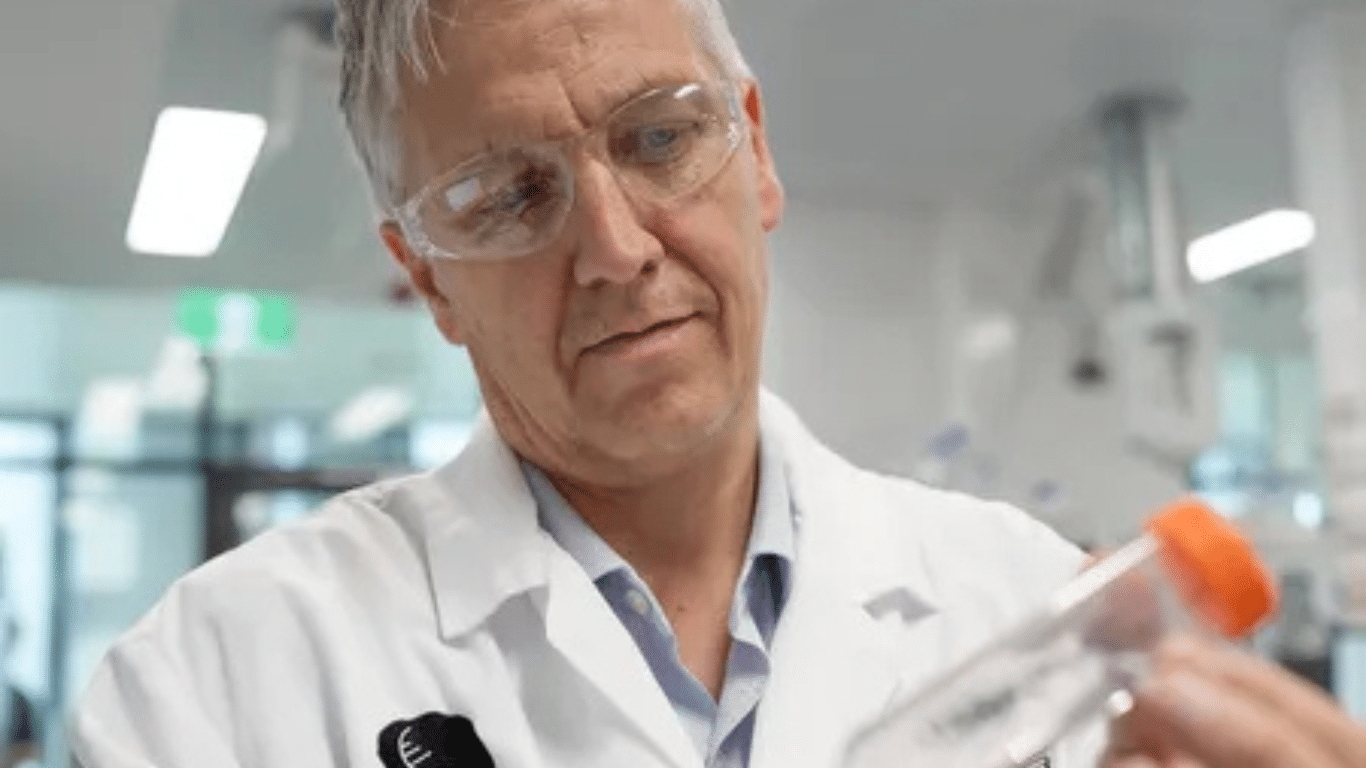 Pall Thordarson, an expert in bio-mimetic chemistry, worked with Conyngham’s ChatGPT code to produce a personalized mRNA vaccine packaged in lipid nanoparticles. Credit: Jake Willis, UNSW
Lin said that a key question is whether or not the degree of personalization in Rosie’s case is necessary; in a recent study published in Nature, Lin and his collaborators demonstrated that SARS-CoV-2 mRNA vaccines are able to sensitize tumors to immune checkpoint inhibitor therapy.2 “We see this in our preclinical models, that you can actually just deliver these non-specific RNAs, and you can generate [tumor responses],” Lin explained. “[But] it’s possible that actually a personalized approach gives a better response, so therefore, I think it will be very intriguing to do a [bigger] study.”
For those wondering if this approach can be translated to humans, Lin pointed out that a Phase III clinical trial is currently exploring the use of personalized mRNA vaccines as neoadjuvant therapies after treatment with immune checkpoint inhibitors in human patients with lung cancer.3 “What is holding us back is actually the speed by which we are actually generating these vaccines,” he added.
Adam Grippin, a physician-scientist at the MD Anderson Cancer Centre and University of Florida, and co-author of the study with Lin, works on developing personalized mRNA vaccines for human patients with brain tumors. Grippin said Rosie’s case is a great example of the power of mRNA vaccines and artificial intelligence in the treatment of both animals and humans, and is enthusiastic about the application of this approach in human patients. “The most exciting use of machine learning is in ways that really shorten the time it takes to predict these antigens,” Grippin commented. “…It’s a very exciting time to be in this space, and we’re very optimistic about the opportunities to make personalized therapies that are very effective for our patients.”
As director of the UNSW mRNA Institute, Thordarson said he strongly believes that mRNA technology should be able to be accessed in an equitable manner and that the decentralized workflow used in Rosie’s case is an example of the power of doing things differently. “Our technology has the means of making things cheaper right at the manufacturing phase,” he said. “…If we want to make personalized medicine accessible, it actually comes down to we need to rethink both the reimbursement model and the regulatory environment.”
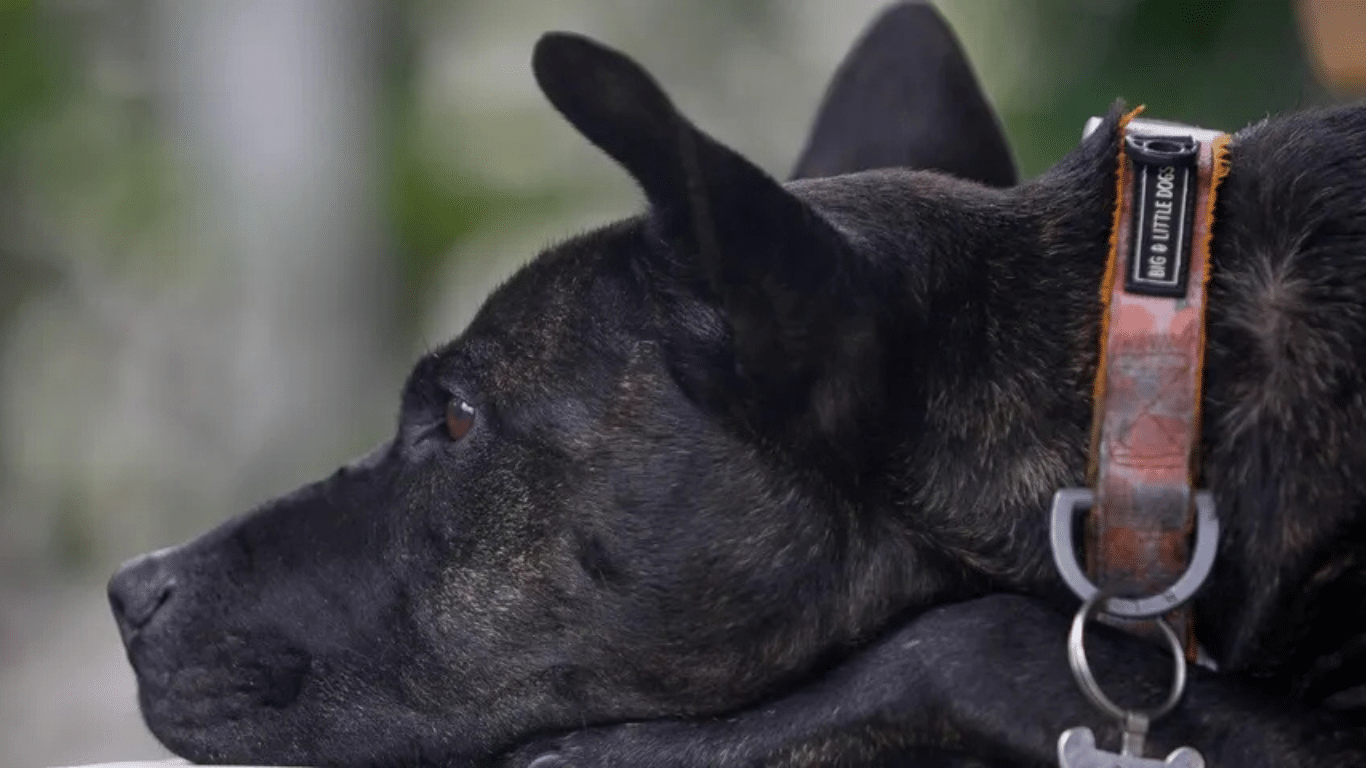
Banner image: While the treatment wasn’t a cure, Rosie’s mobility and quality of life improved drastically. Conyngham and the scientists involved are working on booster shots to treat her resistant tumors. Credit: Jake Willis, UNSW