
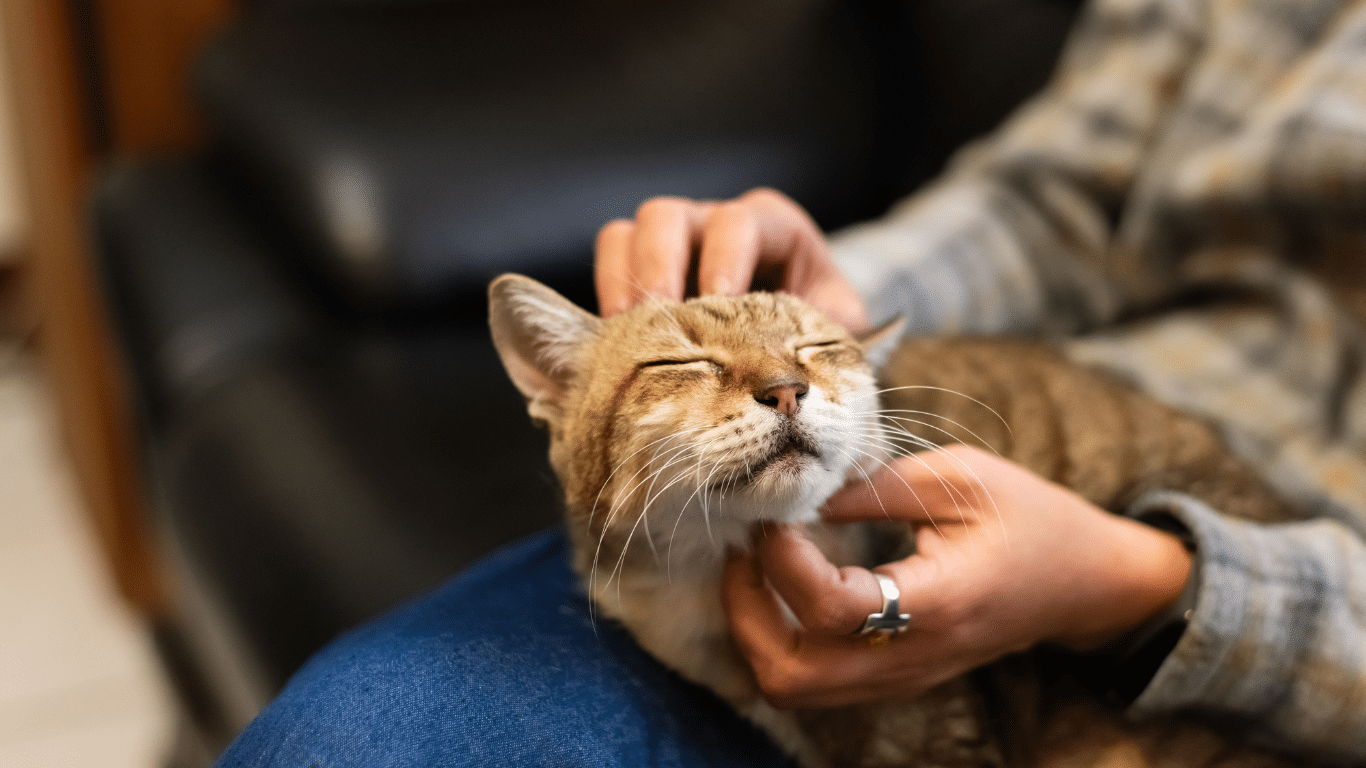
Article written by Robyn Vinter
Originally published by The Guardian, 15 January 2026
Researcher calls for guidelines for diagnosing prolonged grief disorder to be expanded to cover people who lose pets
Grief over the death of a pet could be as chronic as that for a human family member, research has shown, confirming what many people already know about their bond with their furry friends.
People grieving the loss of a pet can suffer from prolonged grief disorder (PGD), a mental health condition brought about by the death of a loved one, a survey published in the academic journal PLOS One has found.
PGD lasts many months, or even years, and often involves an intense longing and despair, problems socialising and going about daily tasks, and feeling like a part of oneself has died.
Currently, only those grieving the loss of a person can be diagnosed, but the professor who authored the study has recommended that guidelines be expanded to include pets too.

The research – a survey of 975 adults in the UK – found 7.5% of people who had lost pets met the diagnostic criteria for PGD, about the same as the proportion of people who have had a close friend die. It was only slightly behind the proportion who had PGD after the death of a grandparent (8.3%), a sibling (8.9%) or even a partner (9.1%).
Only those who had lost parents or children had the disorder in significantly higher rates, at 11.2% and 21.3%.
About a fifth of people who had experienced a pet and human loss said the former was worse, despite previous studies finding that people often feel shame, embarrassment and isolation for expressing grief over a dead pet.
The study estimated that one in 12 cases of PGD in the UK were caused by the death of a pet, due to the fact that about half of adults have pets and those pets’ lifespans tend to be considerably shorter than humans’.
The study’s author, Philip Hyland, a professor of psychology at Maynooth University in Ireland, said the research also showed that the symptoms of this severe grief for a pet matched identically with that for a human, and there was no difference in how people experienced those losses.
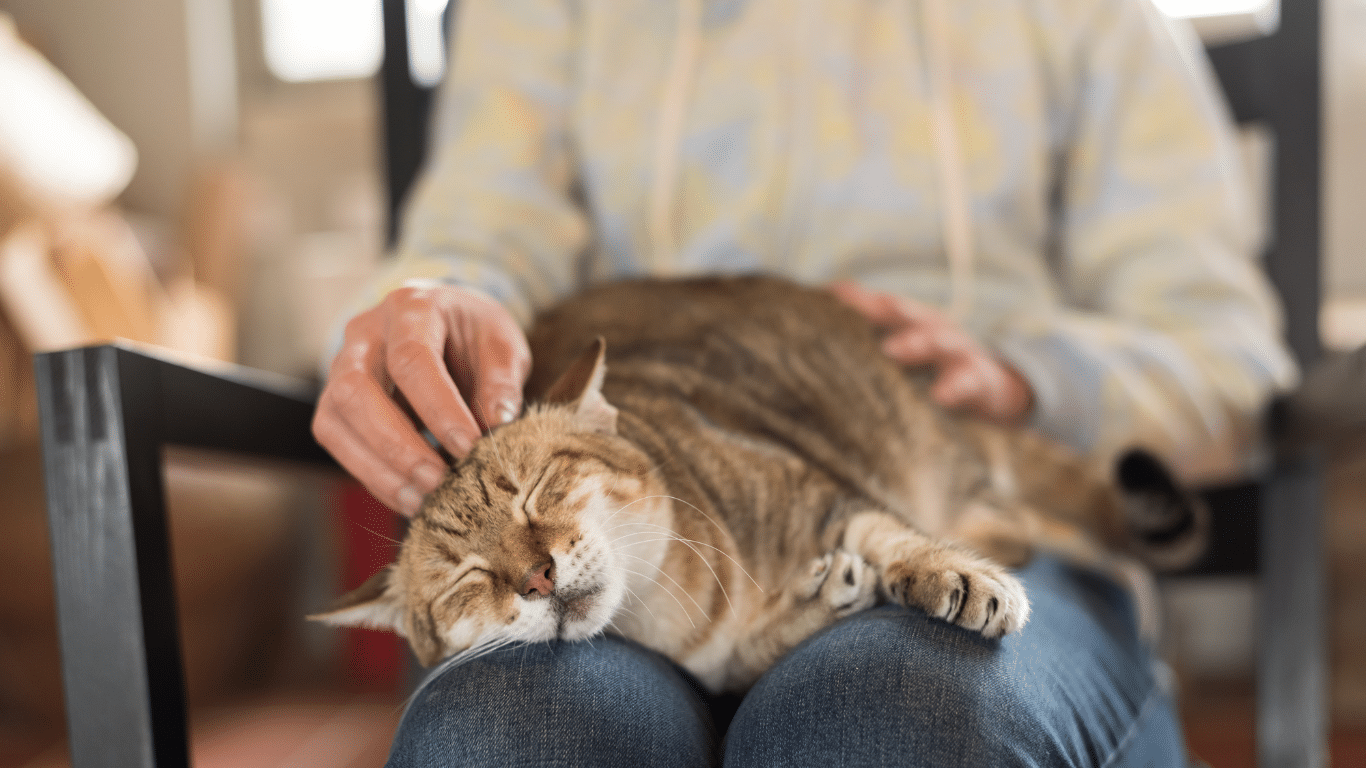
He said the research presented “consistent and compelling evidence” that grief over a pet was no less legitimate, and he called for guidelines for diagnosing PGD to be expanded.
Hyland said diagnostic guidelines “do not allow for PGD to be diagnosed following the death of a pet, but these results demonstrate that people can experience clinically relevant levels of grief after the death of a pet, and at rates that are comparable to human losses that are considered ‘legitimate’ risk factors for PGD”.
He said that if the research could be replicated, it would mean a person “can satisfy all symptom and impairment requirements for PGD yet be ineligible for diagnosis solely because the deceased was not a member of the homo sapiens species”.
“From both psychological and evolutionary standpoints, this would be an extraordinarily difficult position to defend,” Hyland said. “The decision to exclude pet loss from the bereavement criterion for PGD can be viewed as not only scientifically misguided but also as callous.”