
Article written by Streamline Feed
Originally published by Streamline Feed, 2 July 2026
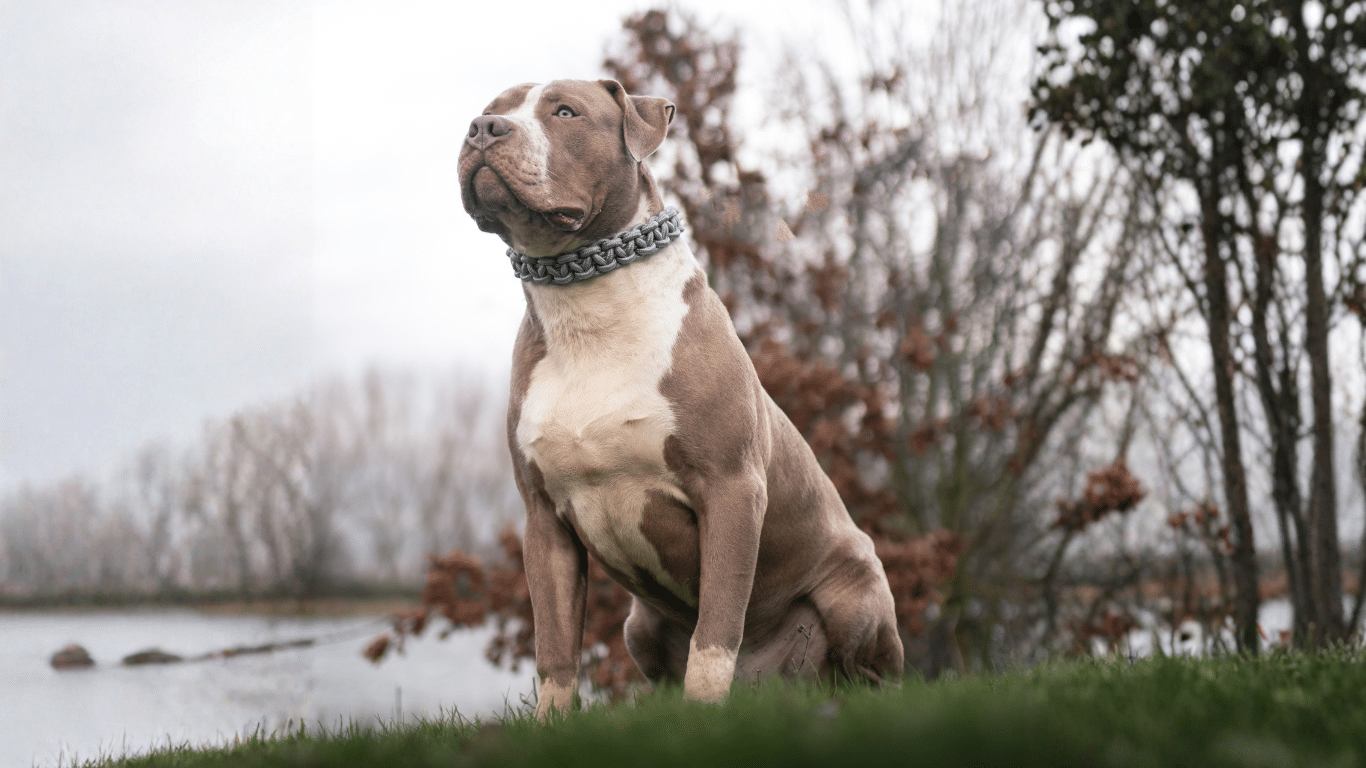
A UK ban on XL Bully dogs has sparked a 19% rise in canine abuse, with related breeds suffering neglect and abandonment amid growing public stigma.
The United Kingdom’s controversial ban on XL Bully dogs has inadvertently triggered a wave of cruelty and abandonment targeting related bull breeds, with animal welfare organizations reporting a 19 percent surge in intentional abuse cases during the 2024-2025 period. The legislative crackdown, initially designed to enhance public safety following a series of fatal attacks, has mutated into a broader crisis of canine stigmatization across England and Wales.
This crisis illuminates the unintended consequences of breed-specific legislation, a debate closely monitored by lawmakers in Kenya and Nigeria where unregulated breeding of guard dogs frequently clashes with public safety concerns. As British shelters overflow with abandoned pets, the correlation between restrictive laws and animal cruelty provides a stark warning for global policymakers attempting to legislate animal ownership.

The Statistical Reality of Breed Stigmatization
Data released by the Royal Society for the Prevention of Cruelty to Animals (RSPCA) reveals a disturbing trajectory in canine welfare. Over the past five years, reports of deliberate cruelty toward dogs have spiked by 55 percent. More alarmingly, current figures indicate that nearly a quarter (23 percent) of all recorded abuse cases specifically target Staffordshire Bull Terriers, Bulldogs, and other muscular breeds frequently mistaken for the outlawed XL Bully.
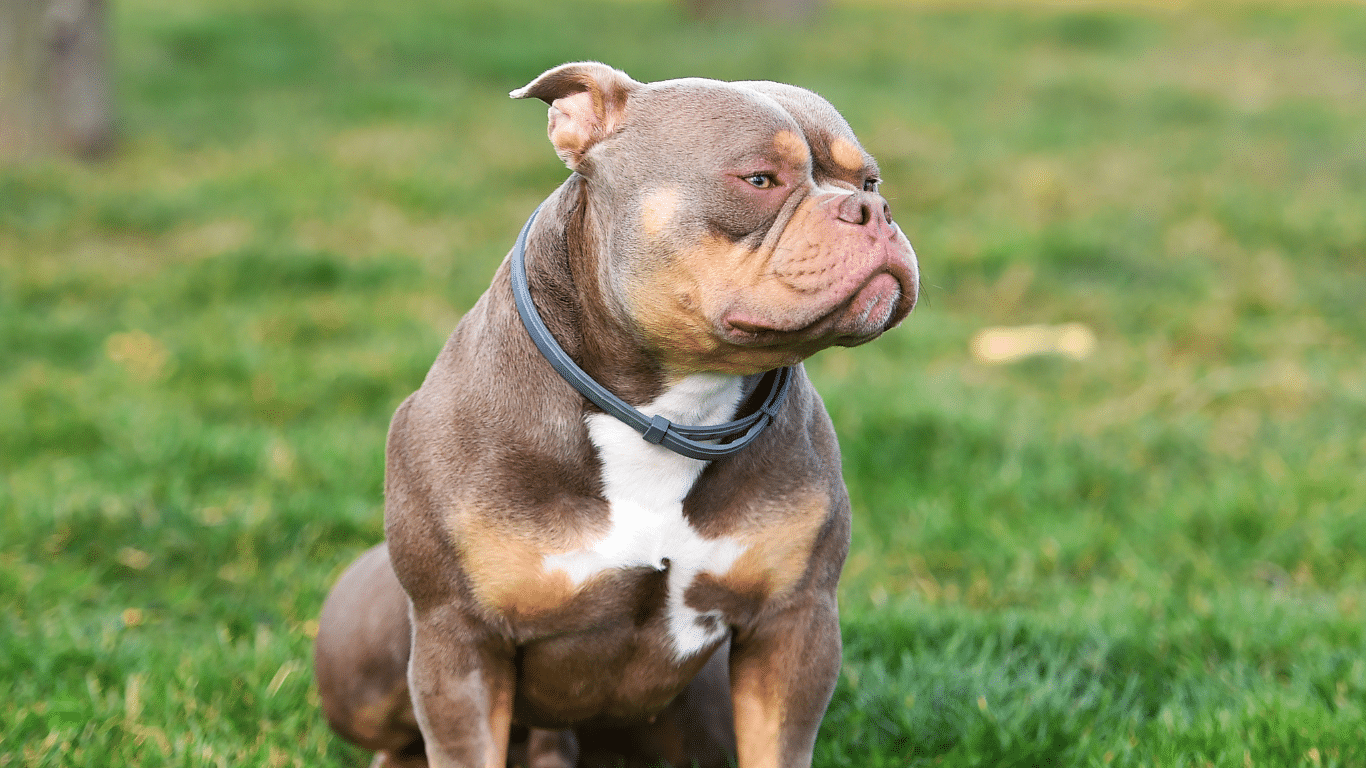
The ban, which came into full effect in early 2024, mandates that owners of XL Bullies must hold a valid Certificate of Exemption, keep the dog muzzled and on a lead in public, and ensure the animal is neutered. Furthermore, as of July 1, 2026, the legal requirement to hold third-party public liability insurance for exempted dogs will be removed, though the strict handling regulations remain firmly in place.
RSPCA officials argue that the broad legal definition applied by the UK Government—which relies heavily on physical measurements rather than genetics or behavior—has created a hostile environment for any dog possessing a blocky head or muscular build. The charity’s breed expert, Samantha Gaines, has characterized the situation as a direct consequence of the dogs being systematically demonized in the public sphere.
- Abandonment Metrics: Reports of abandoned XL Bully-type dogs skyrocketed by an unprecedented 692 percent following the ban announcement, jumping from 13 cases to 103 within an eight-month window.
- Cruelty Incidents: Documented instances of severe neglect involving the breed rose by 239 percent, climbing from 108 to 366 cases.
- Legislative Definitions: The government classifies an XL Bully based on a minimum height of 20 inches for males and 19 inches for females, measured at the withers, rendering the definition highly subjective.

Collateral Damage: The Story of Duchess
The human and animal cost of this legislative maneuver is vividly illustrated by cases handled by local rescue operations in Wales. Fiona Rees-Davies, a resident of Llanelli, recently took in Duchess, a Staffordshire Bull Terrier who suffered severe neglect directly tied to the growing stigma against muscular dogs. Duchess was discovered severely emaciated, suffering from extensive hair loss, and infested with fleas after her previous owner abandoned her.
The dog survived only because a concerned neighbor intervened, feeding her through the mail slot of a locked front door until authorities could execute a rescue. Rees-Davies noted that even after rehabilitation, walking Duchess in public spaces invites suspicion and hostility from pedestrians who wrongly identify the dog as a banned breed. \”There was no love, no connection, just throwing her aside,\” Rees-Davies stated regarding the dog’s previous environment.
This misidentification phenomenon is severely straining the resources of Welsh animal shelters, which are legally prohibited from rehoming any dog that meets the government’s XL Bully specifications. Consequently, healthy animals that fall under the broad physical parameters face mandatory euthanasia if their owners abandon them.
Global Parallels and Policy Lessons
The unfolding scenario in the UK serves as a critical case study for international jurisdictions grappling with dangerous dog legislation. In East Africa, where breeds like Rottweilers and Boerboels are increasingly utilized for private security amid rising crime rates, regulatory frameworks remain largely reactive. The UK experience suggests that banning specific breeds without addressing the root causes of owner negligence and irresponsible breeding simply shifts the abuse to unregulated alternatives.
Veterinary associations worldwide consistently argue that dog aggression is a highly complex behavioral issue, fundamentally rooted in training, socialization, and environmental factors rather than genetic destiny. The RSPCA and a coalition of British charities—including Battersea Dogs and Cats Home and the British Veterinary Association—continue to lobby for the repeal of Breed Specific Legislation (BSL), advocating instead for laws that penalize irresponsible owners regardless of the dog’s breed.
- Enforcement Challenges: Police forces are expending vast resources to measure dogs and process exemption certificates rather than targeting illegal breeding rings.
- Welfare Economics: The cost of housing, assessing, and ultimately euthanizing seized dogs is placing an unsustainable financial burden on local councils and charities.
- Owner Demographics: Parliamentary debates have highlighted a correlation between animal abuse and wider societal issues, noting that perpetrators of domestic violence often use the threat of harming a stigmatized breed as a tool of coercion.
The Path Forward for Animal Welfare
The Welsh Government maintains its support for the Dangerous Dogs Act, emphasizing that cruelty is unacceptable while asserting that owners must rigorously train and manage their animals to protect public safety. However, the disconnect between policy intent and ground-level reality remains stark. By attempting to legislate away a specific physical archetype, authorities have inadvertently placed thousands of innocent animals in the crosshairs of public panic.
As the legal landscape continues to evolve, the burden falls disproportionately on responsible owners and overwhelmed rescue workers. The ultimate metric of success for any animal control policy cannot merely be the eradication of a specific breed, but rather the establishment of a safer environment for both the public and the animals that share their communities.