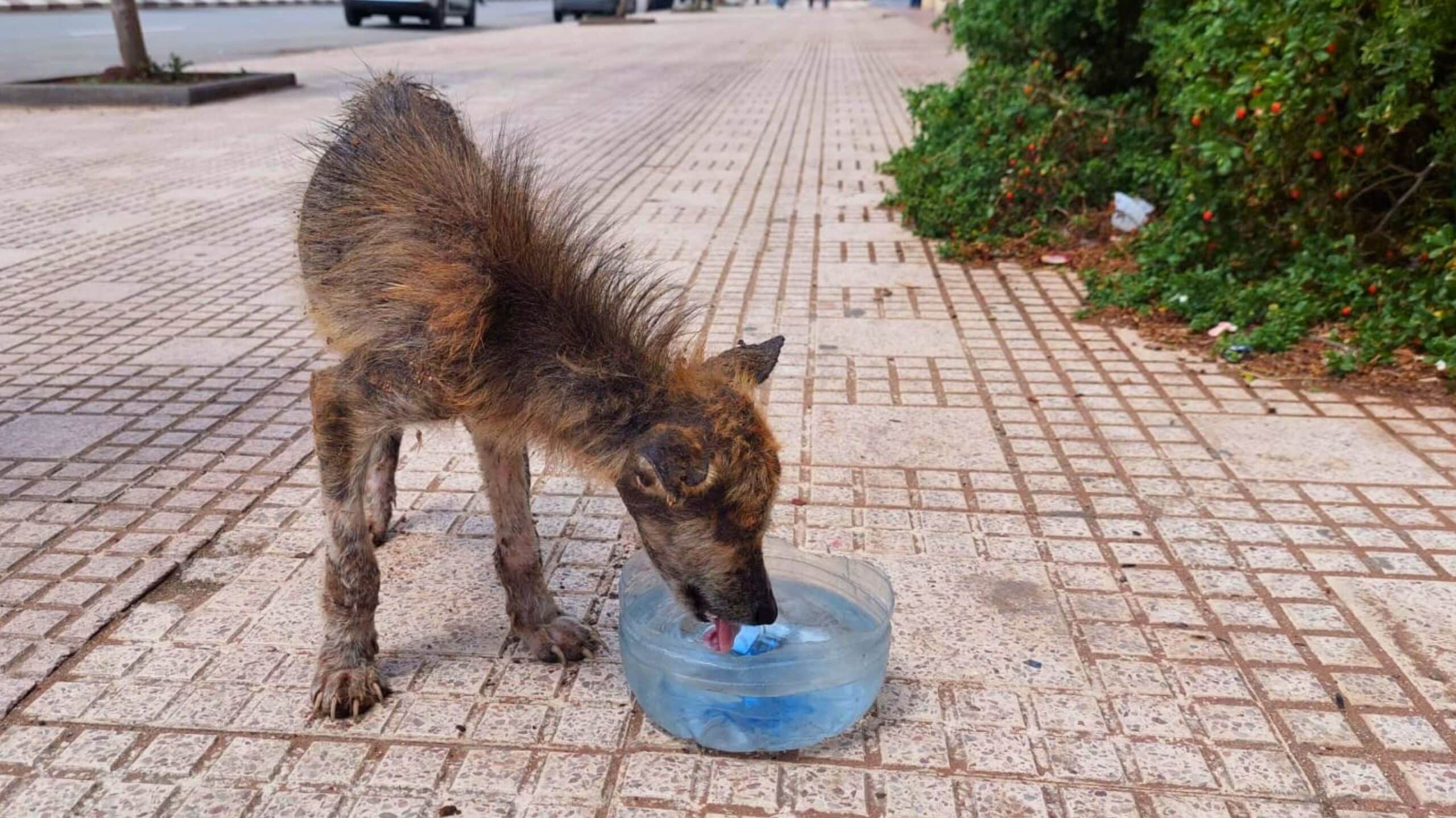
Every year on 4 April, World Stray Animals Day confronts us with a crisis hiding in plain sight — on our streets, in our cities and across continents.
The scale is staggering.
Data from the State of Pet Homelessness Project – compiled from over 900 global sources, nearly 30,000 public surveys and 200 expert interviews across 21 countries including the US, the UK, Greece, Thailand, Brazil, Turkey and South Africa – shows that one in three pets worldwide has no home. 143 million dogs and 203 million cats are currently living on the streets. A further 12 million dogs and 4 million cats are in shelters.
These animals face hunger, disease, injury and abuse every single day. Many are born into it, never once knowing safety or care. And without intervention, the numbers keep climbing – a small number of unsterilized animals can produce thousands of unwanted births in just a few years, locking generations into a cycle of suffering.
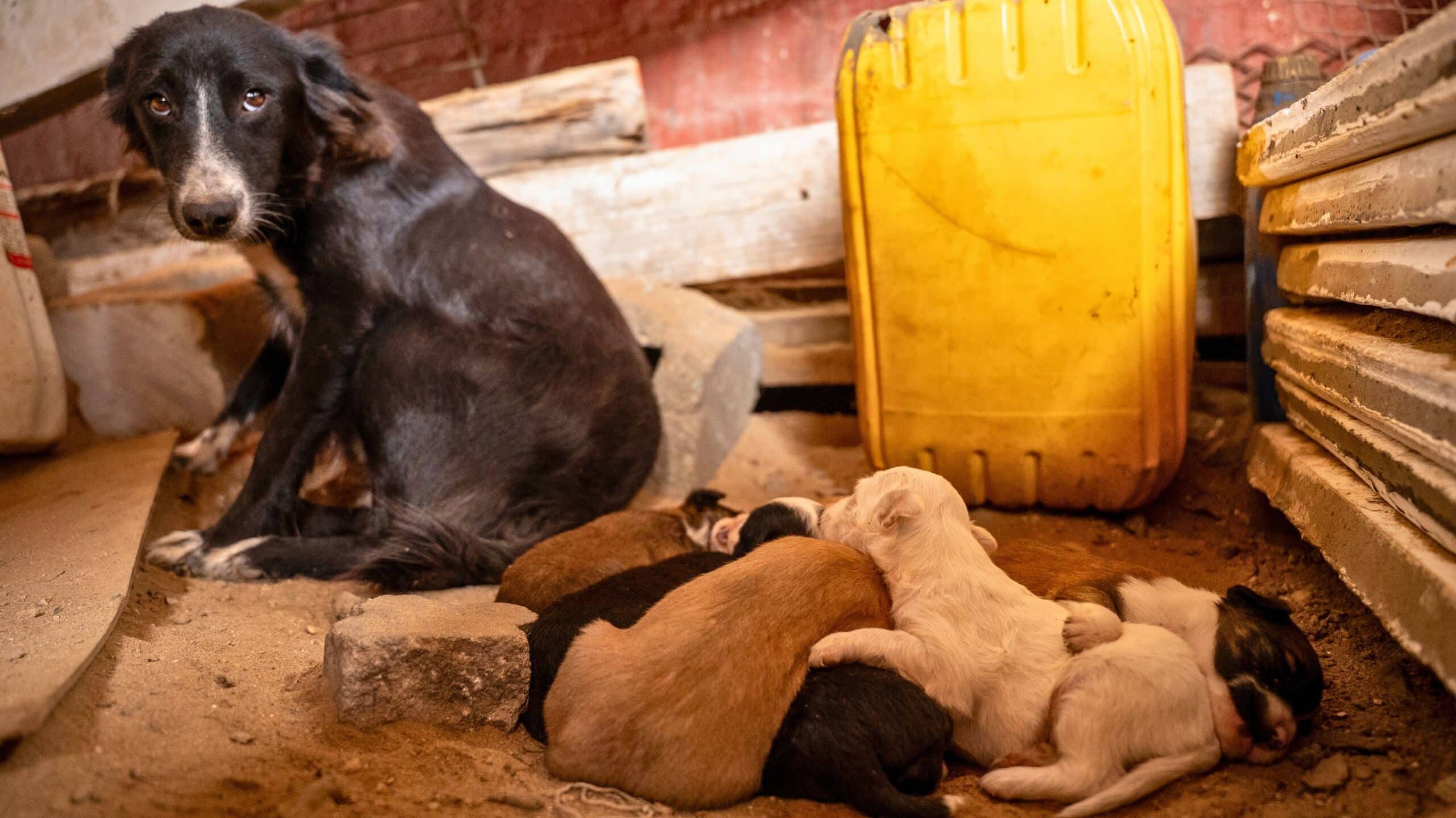 Credit: NFA/Dan Snyders
Why does this keep happening?
The stray animal crisis is driven by a combination of factors: lack of access to affordable sterilization, abandonment, irresponsible pet ownership, poverty and uncontrolled breeding. The result is overcrowded shelters, overwhelmed rescuers and millions of animals left entirely to fend for themselves. The pressure is severe, even in countries with established animal welfare systems.
There is a way forward
Trap-Neuter-Vaccinate-Return (TNVR) programs are proven to reduce stray populations humanely and sustainably. Sterilized animals cannot reproduce, spread fewer diseases, including rabies, and are less likely to roam or show aggression. The benefits extend across entire communities.
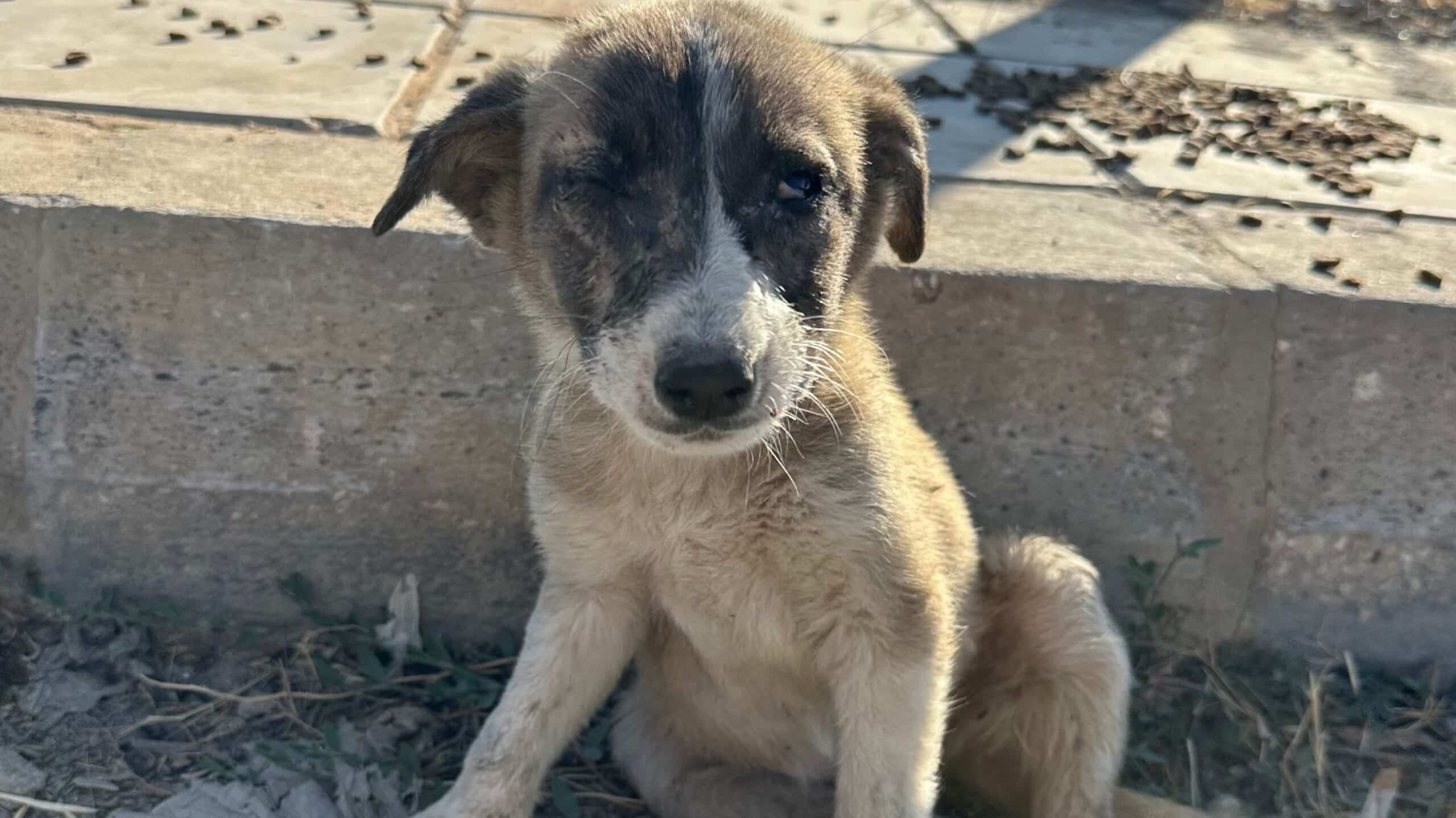 Credit: Al Rahmeh Association for Animals
What you can do
Ending pet homelessness starts with everyday actions:
- Adopt, don’t shop. Choosing adoption gives a homeless animal a second chance and reduces demand for breeding.
- Sterilize your pets and support spay/neuter campaigns. This helps entire communities of animals, not just one.
- Educate and advocate. Responsible pet ownership, spread person to person, creates the kind of change that lasts.
Behind every statistic is an individual life – a dog searching for food, a cat raising kittens in unsafe conditions, an animal simply trying to survive. It doesn’t have to be this way. Every animal deserves a chance at a safe life.
Network for Animals works on the ground – funding sterilization programs, rescues and advocacy.
One donation can change the lives of many. Give today and be part of the solution.